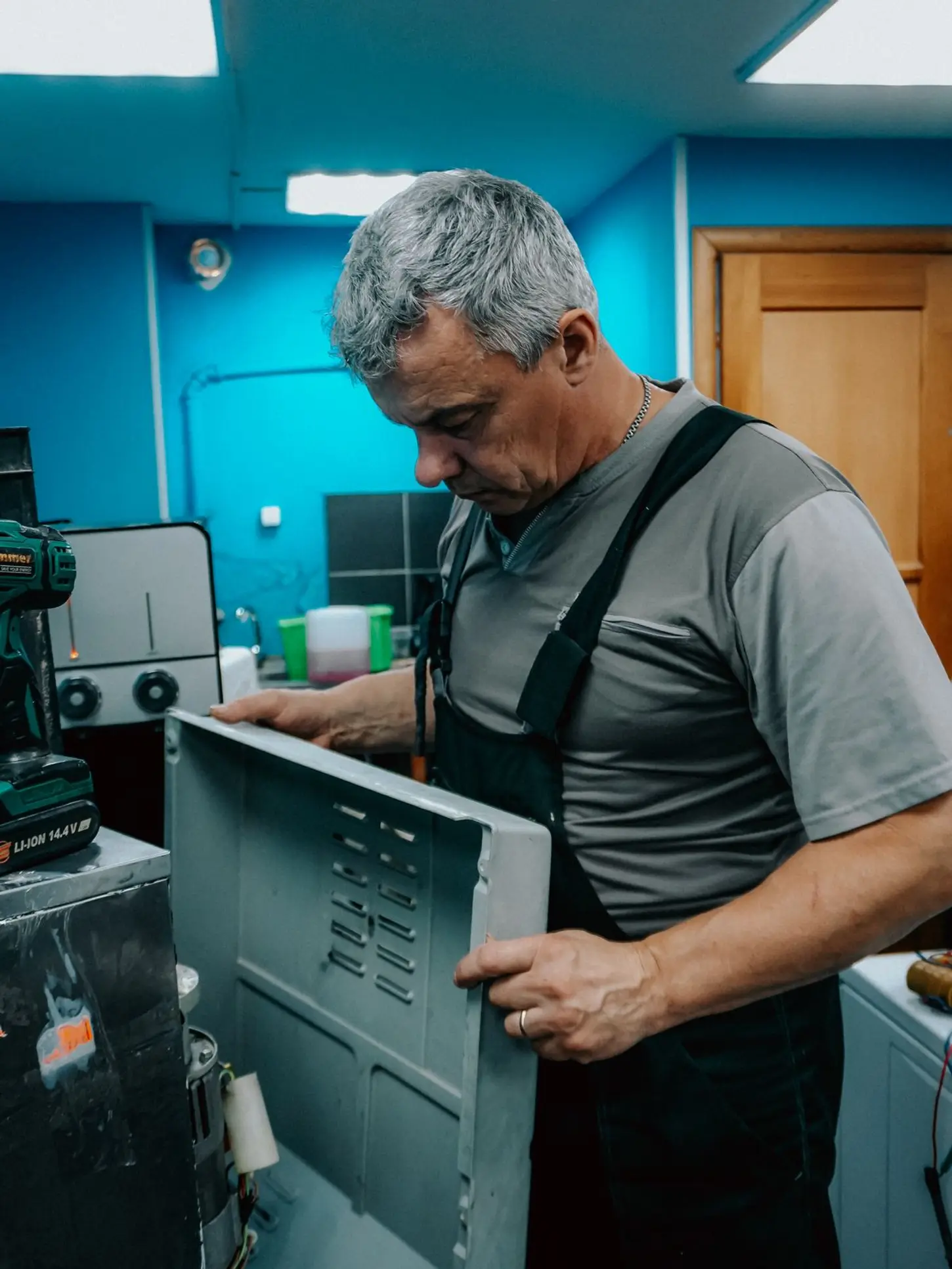
A washer that won't fill, won't drain, or leaks water during a cycle usually traces back to the water inlet valve, the drain pump, or a hose connection. We test each component before recommending a repair — and if there's an active leak, the sooner it's fixed, the less risk to your floors.
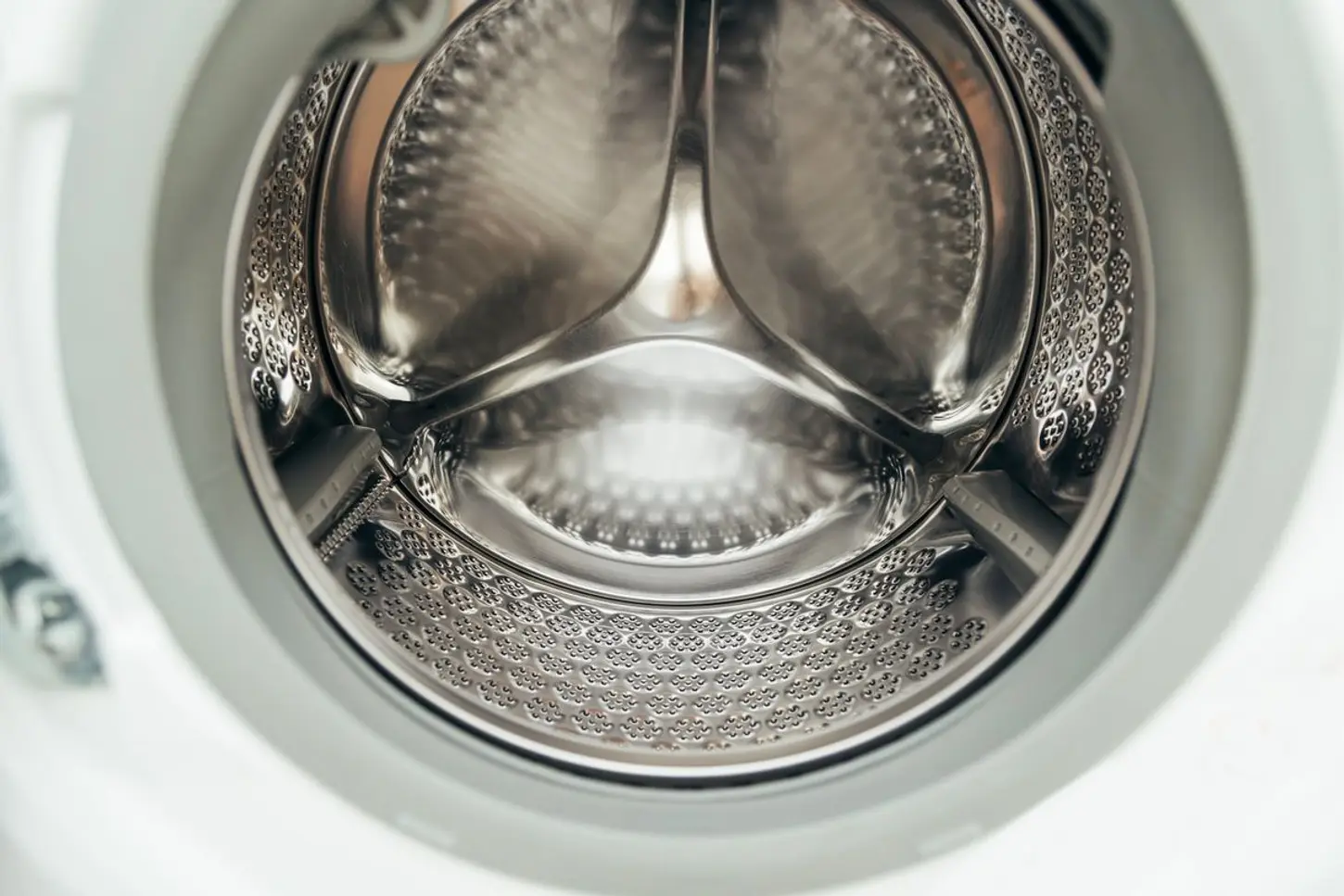
Water inlet valve and drain pump repair covers washers with three related but distinct symptoms: not filling with water, not draining after a cycle, and leaking water somewhere during operation. The water inlet valve controls how water enters the tub, so a stuck or clogged valve means the washer won't fill, or fills too slowly. The drain pump moves water out at the end of a cycle, so a failed pump or a clogged pump filter means the washer finishes with standing water still in the tub. A leak can originate from either component, or from a worn hose or hose clamp, which is why we test each part rather than guessing at the source.
The same diagnostic path, every visit.
Testing the fill valve for proper flow and checking the inlet screens for mineral buildup or debris.
Checking the drain pump for obstructions, a failed motor, or a clogged filter preventing proper drainage.
Inspecting fill and drain hoses, along with clamps and connections, for the actual source of any leak.
Confirming the control board is sending the correct fill and drain signals to rule out an electrical cause.
A washer that's leaking isn't an emergency, but it's not something to leave for weeks, either — the sooner a leak is fixed, the less risk to your floors and any flooring or subfloor underneath the machine. We treat leak calls as a scheduling priority within our normal same-day and next-day appointment windows, without framing it as round-the-clock emergency service.
A washer that won't drain is most often caused by a clogged drain pump filter — small items like coins, buttons, or lint can block it over time — followed by a failed pump motor or a kinked or clogged drain hose. Less commonly, a control board fault prevents the drain signal from reaching the pump at all. We check the filter first since it's the most common and least expensive fix, then move to the pump and control board if needed.

A washer that won't fill with water is usually a water inlet valve problem — either the valve itself has failed, or the inlet screens are clogged with mineral deposits and sediment, which is common in areas with harder water. It's worth checking that the water supply valves behind the washer are fully open before assuming it's a mechanical failure, since a partially closed supply line produces the same symptom.
Excessive shaking during the spin cycle is sometimes related to drainage — a washer that hasn't fully drained will spin an unbalanced, heavier load, which shakes the machine and can eventually stress the pump and hoses further. It can also point to an unlevel machine or a worn suspension component. We check drainage and leveling together when shaking is the reported symptom.
Straight answers — no clicking around.
Call Portland Washer Repair to schedule a same-day or next-day valve and pump diagnostic visit.
(888) 555-0123