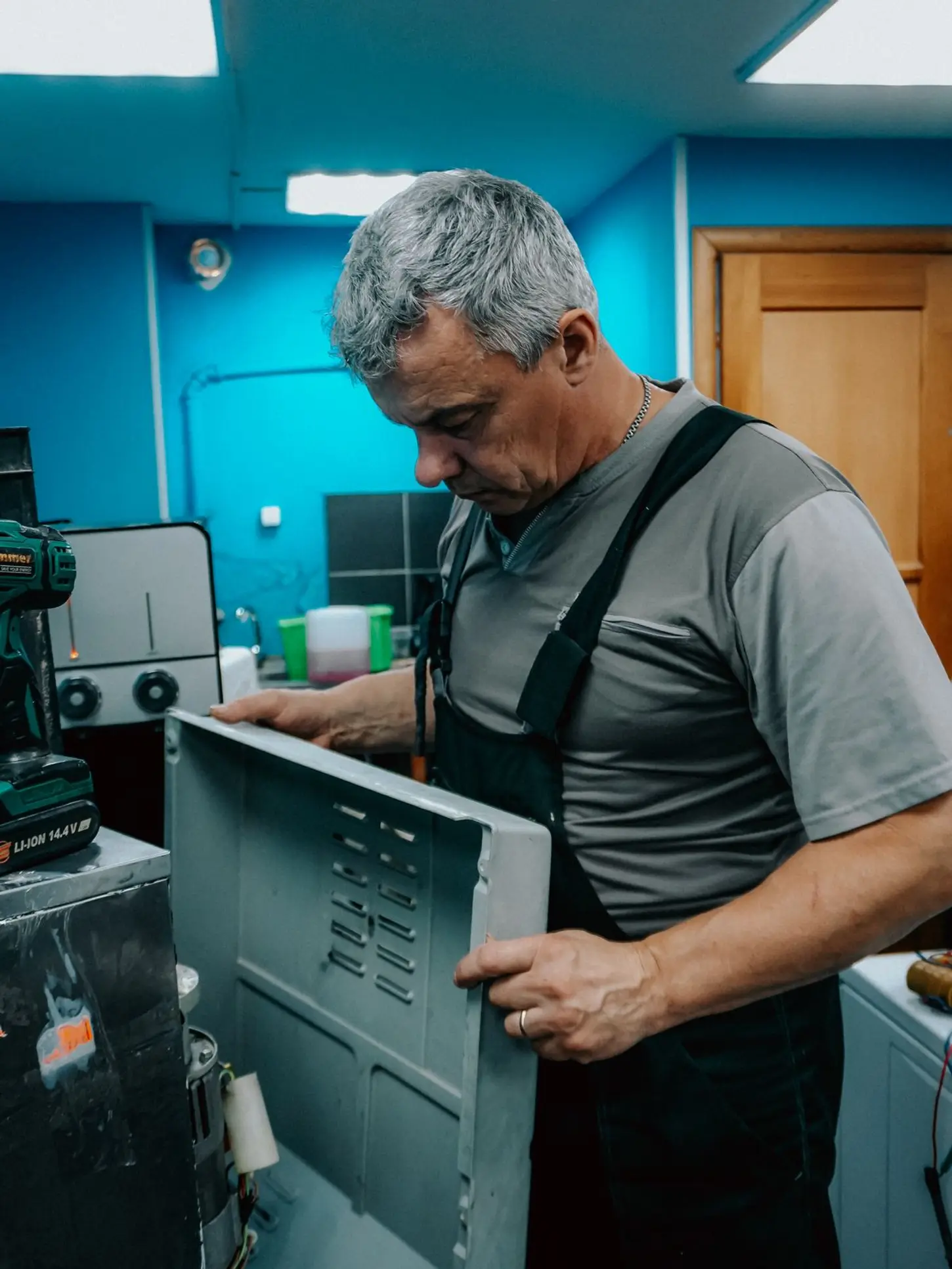
A worn or slipping drive belt is one of the more common reasons a washer's drum spins slowly, unevenly, or not at all — and it's usually a fairly contained repair once confirmed. Our technicians check belt tension, wear, and alignment before recommending a replacement.
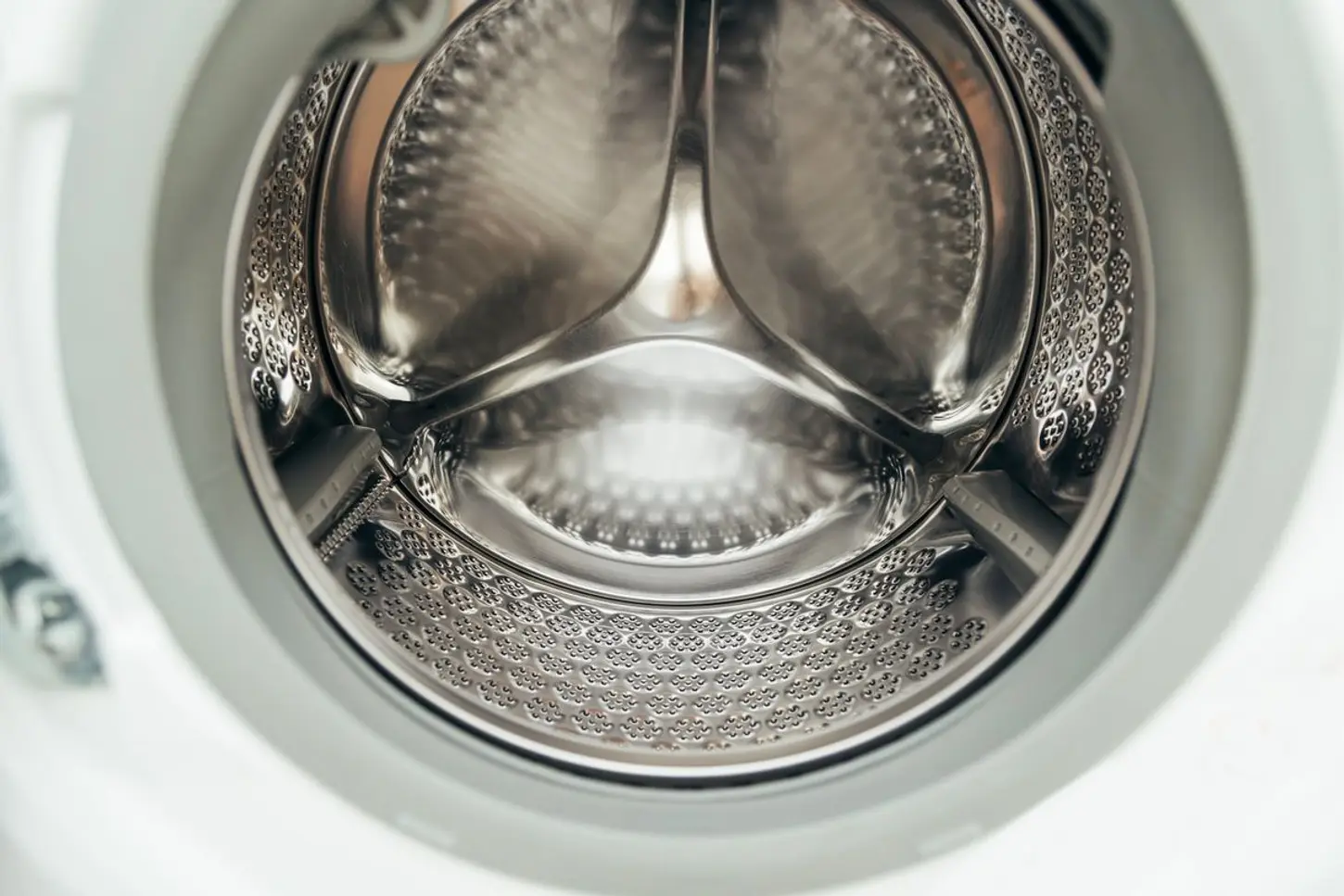
Washing machine belt repair covers diagnosing and replacing the drive belt that connects the motor to the drum on belt-drive washers. When that belt wears, stretches, or slips off its pulley, the drum may spin slowly, turn unevenly, make a squealing or slapping noise, or not turn at all even though the motor is running. Belt problems are one of the more straightforward washer repairs to diagnose — a visual and tension check usually confirms it quickly — and it's typically a less involved job than a drum bearing or motor replacement.
The same diagnostic path, every visit.
Checking the belt for cracking, glazing, fraying, or looseness that indicates it needs replacement.
Checking that the motor and drum pulleys are aligned so the new belt doesn't slip off again.
Confirming the motor and drum bearing are healthy, since a belt can slip due to a different underlying issue.
Inspecting the idler pulley or tensioner assembly, which can also cause repeat belt failure if worn.
Yes, in nearly every case — a belt is one of the least expensive and most worthwhile washer repairs, since it's a relatively simple mechanical part and the rest of the washer is usually unaffected by belt wear alone. It's rarely a repair we'd advise against unless other major components are also failing.
Signs of a bad washer belt include a burning rubber smell, a squealing or slapping noise during the spin cycle, a drum that spins much slower than it should, or a drum that doesn't turn at all while the motor runs. Opening the access panel often shows a visibly cracked, glazed, or loose belt, though confirming pulley alignment at the same time prevents a repeat failure.

Washer belt replacement is generally one of the more affordable washing machine repairs, since the part itself is inexpensive relative to a motor or drum bearing and the labor involved is comparatively straightforward once the access panel is off. Cost can shift if a pulley or tensioner also needs replacing to prevent the new belt from slipping again — we check for that during diagnosis rather than replacing the belt alone and risking a repeat call.
A washing machine drive belt typically lasts several years under normal use, though heavy use, chronic overloading, or a misaligned pulley can shorten that significantly. Belts are a wear item by design — they're expected to eventually need replacement, unlike a motor or control board, which should last the life of the machine barring a defect.
Straight answers — no clicking around.
Call Portland Washer Repair to schedule a same-day or next-day belt diagnostic visit.
(888) 555-0123