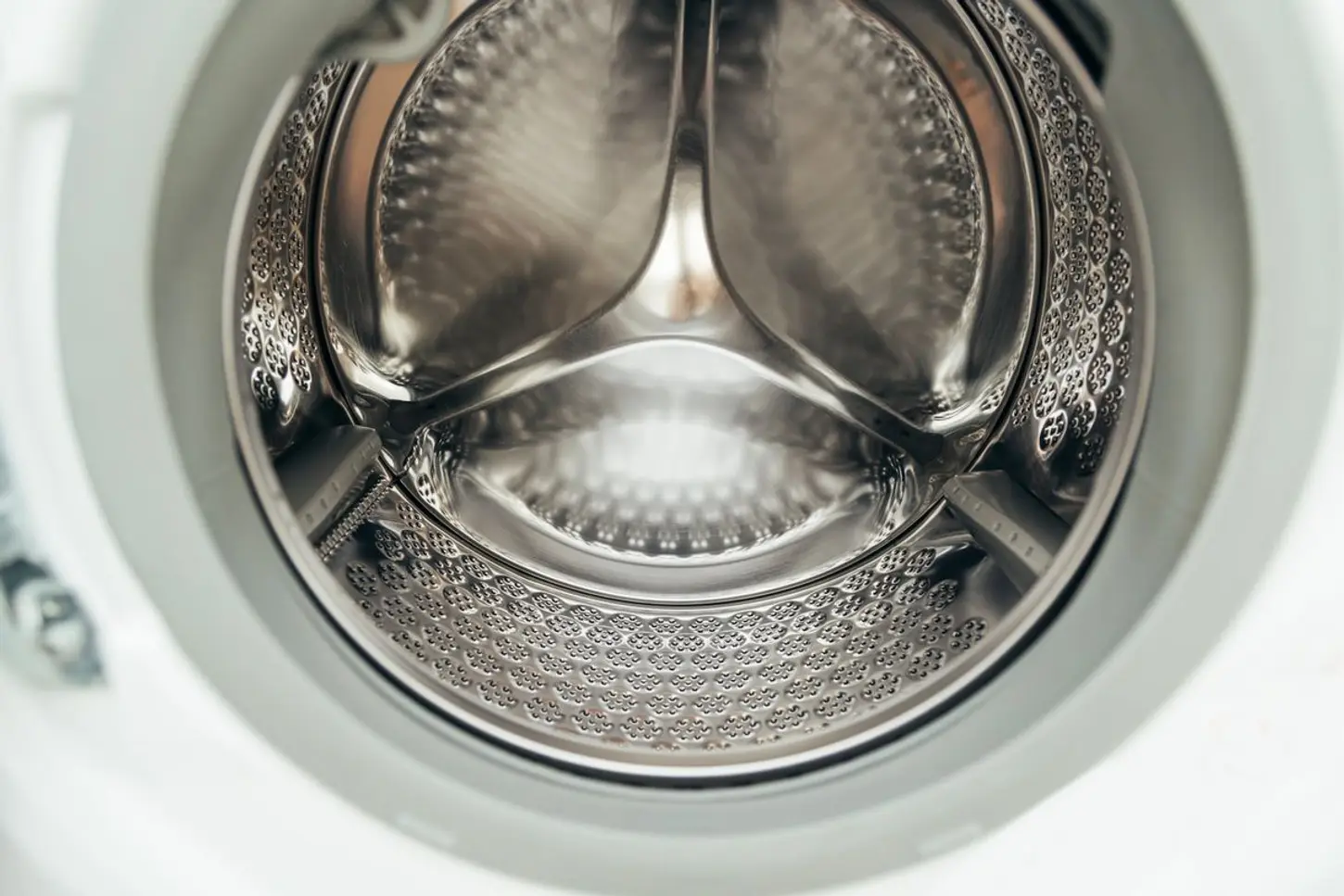
A washer that won't power up, hums without ever spinning, or trips the breaker is showing symptoms of a motor, capacitor, or control-board problem — but in St Johns, where you'll find everything from decades-old single-family homes to smaller apartment buildings near Lombard, the electrical panel behind that washer varies just as widely as the housing itself, so we treat the circuit as its own suspect rather than an afterthought.
Any of three components can leave a washer refusing to start, humming without spinning, cutting out mid-cycle, or tripping a breaker — the motor windings, the start capacitor, and the control board all share overlapping symptoms, so we test them individually rather than guessing. St Johns' split identity as a once-independent town shows up here too: an older single-family house and a smaller apartment building nearby can have completely different panel ages and circuit capacities, so confirming the circuit can actually support the washer's motor draw gets equal weight with testing the appliance itself.
Ruling out the circuit before the motor.
Testing the motor and start capacitor for a washer that hums but won't spin.
Checking whether the control board is signaling the motor correctly.
Confirming the outlet and breaker can handle the washer's draw.
Ruling out a slipped belt or worn coupling before condemning the motor.
A washer that's completely dead is more likely a power or control-board issue; a washer that hums or clicks without spinning usually points to the motor or a jammed drum. We identify which category applies to your machine and explain the fix in plain terms before starting any repair.
Straight answers — no clicking around.
Call Portland Washer Repair to schedule a same-day or next-day motor diagnostic visit.
(888) 555-0123