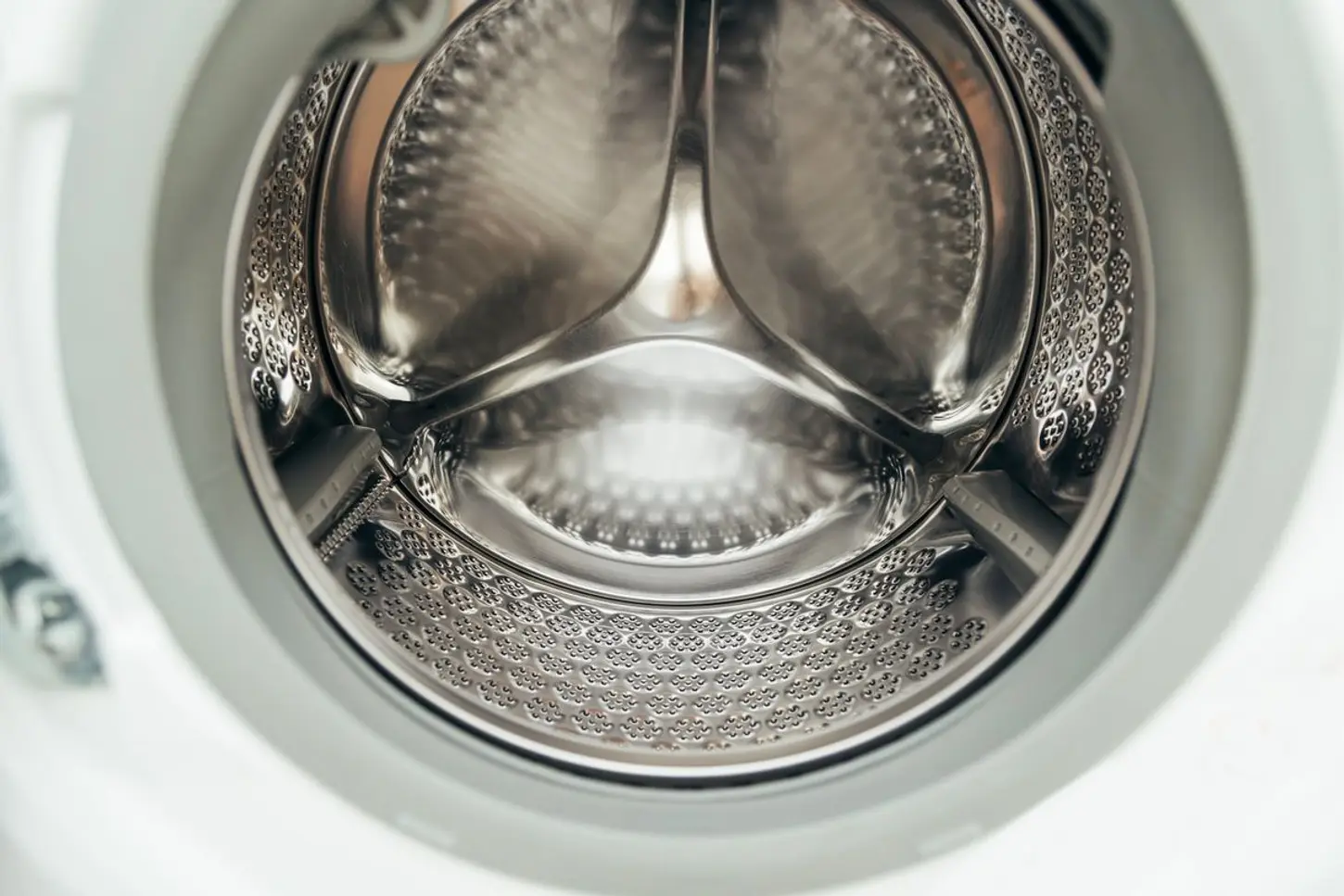
A dead-silent washer, one that hums without ever spinning, or one that trips the breaker partway through a cycle points toward the motor, the capacitor, or the control board. Kenton's bungalows date back to the streetcar-suburb boom of the early 1900s, and even though most have seen electrical upgrades since, the circuit feeding the washer in a garage or utility nook is still worth confirming rather than assuming it's automatically up to the job.
A washer that won't power on, hums instead of spinning, cuts out partway through a load, or trips a breaker could be pointing to the motor windings, the start capacitor, or the control board — all three overlap enough in symptoms that we test them one at a time rather than guessing. The upside of Kenton's bungalow-scale layouts is access: a compact utility room or attached garage generally lets us get straight to the back panel for motor testing and replacement, without the awkward maneuvering a tighter basement setup sometimes demands elsewhere in Portland.
Ruling out the circuit before the motor.
Testing the motor and start capacitor for a washer that hums but won't spin.
Checking whether the control board is signaling the motor correctly.
Confirming the outlet and breaker can handle the washer's draw.
Ruling out a slipped belt or worn coupling before condemning the motor.
A washer that's completely dead is more likely a power or control-board issue; a washer that hums or clicks without spinning usually points to the motor or a jammed drum. We identify which category applies and explain the fix in plain terms before starting any repair.
Straight answers — no clicking around.
Call Portland Washer Repair to schedule a same-day or next-day motor diagnostic visit.
(888) 555-0123