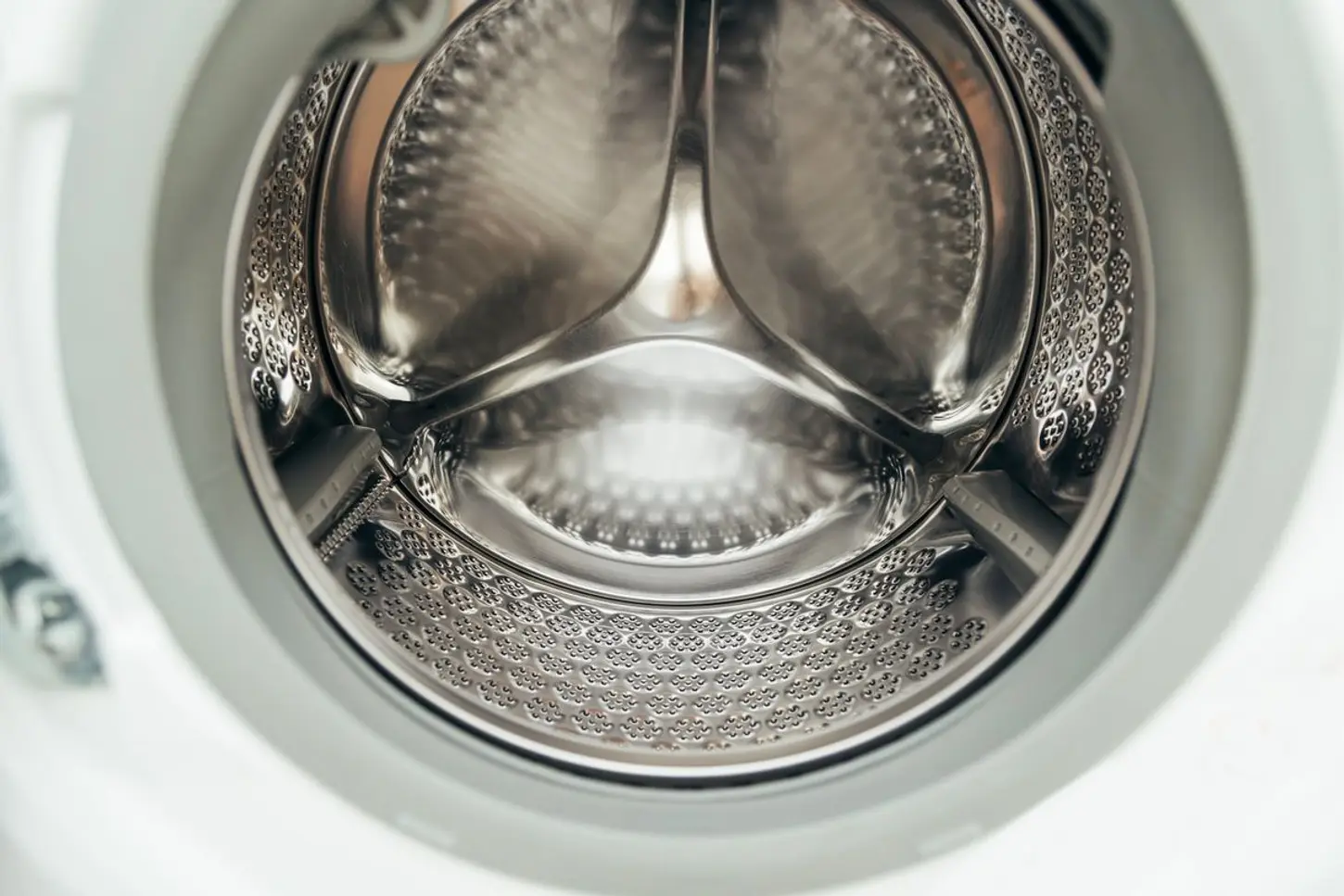
A washer that stays dark, hums without spinning, or trips a breaker mid-cycle is pointing at the motor, the capacitor, or the control board. Cully's genuine mix of housing types — including a real number of manufactured and mobile homes alongside conventional houses — means the electrical setup behind that washer isn't always a standard installation, so we confirm what's actually there before assuming anything about the circuit.
A washer that won't start, hums instead of spinning, quits mid-cycle, or trips a breaker could be any one of three parts — the motor windings, the start capacitor, or the control board — and since their symptoms overlap, we test each individually rather than guessing which one's at fault. Cully's variety of housing means our motor calls take us into conventional homes, properties with detached utility buildings on larger lots, and manufactured or mobile homes in roughly equal measure, and the electrical setup genuinely differs across those — so confirming the actual circuit is a standard part of every visit here, not an extra step.
Ruling out the circuit before the motor.
Testing the motor and start capacitor for a washer that hums but won't spin.
Checking whether the control board is signaling the motor correctly.
Confirming the outlet and circuit configuration, which can differ in manufactured homes.
Ruling out a slipped belt or worn coupling before condemning the motor.
A washer that's completely dead is more likely a power or control-board issue; a washer that hums or clicks without spinning usually points to the motor or a jammed drum. We identify which category applies and explain the fix in plain terms before starting any repair.
Straight answers — no clicking around.
Call Portland Washer Repair to schedule a same-day or next-day motor diagnostic visit.
(888) 555-0123