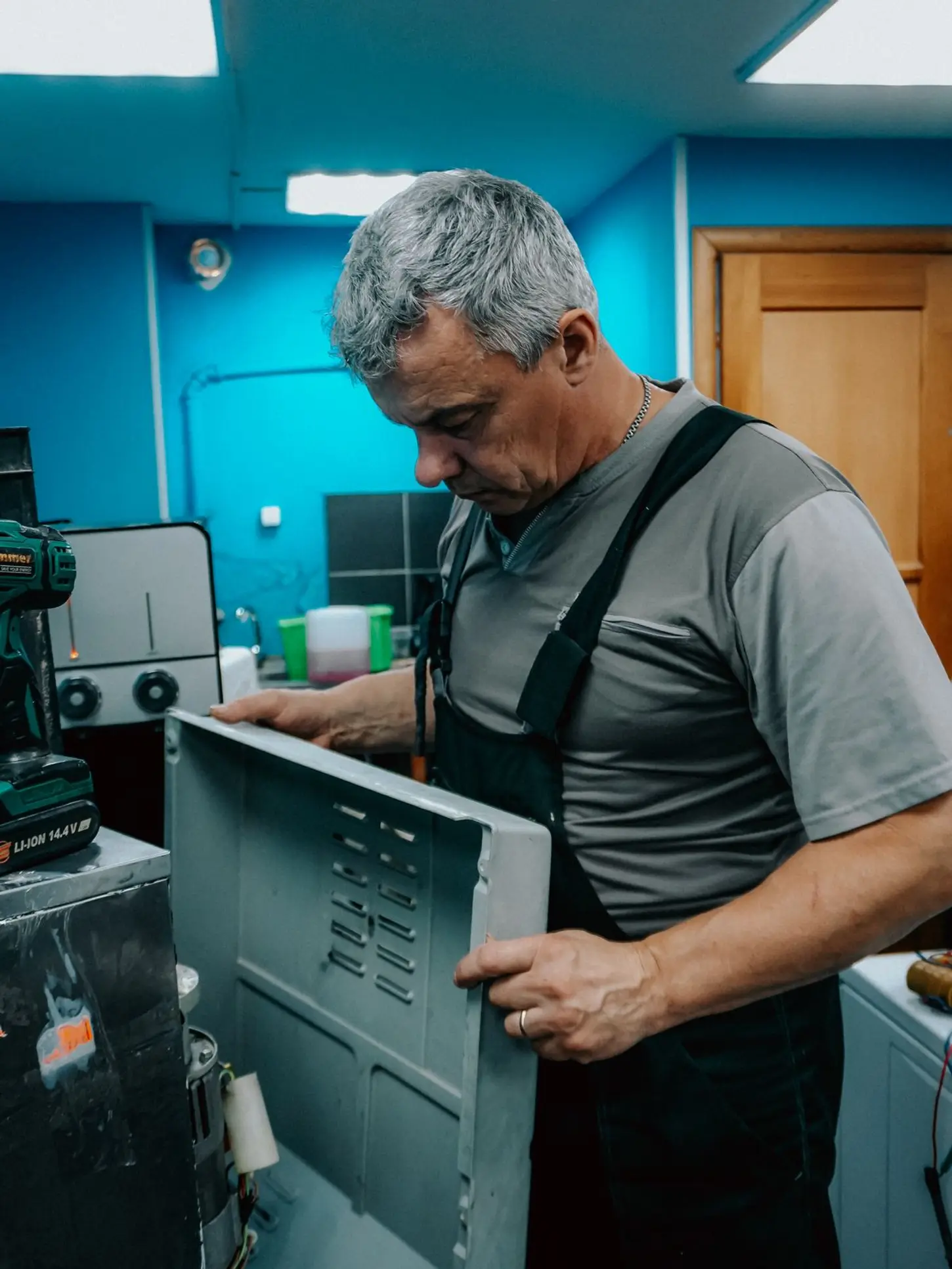
A squealing washer that agitates but won't spin usually means a worn or slipped belt — and in Sellwood's garage installations, seasonal temperature swings across Portland's wet winters and warm summers can make rubber belts age faster than an indoor laundry room would.
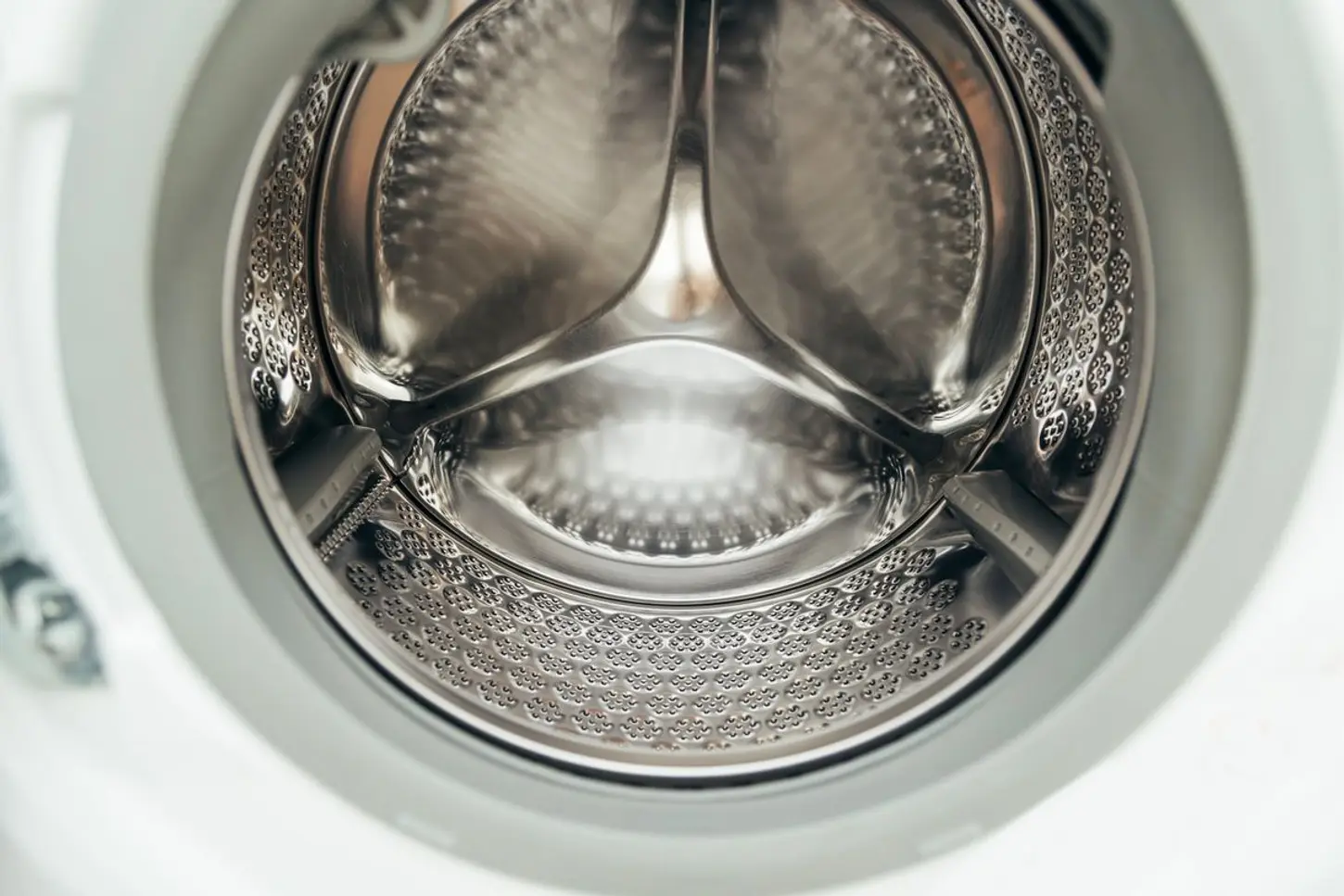
Rubber drive belts stiffen and crack faster when exposed to wider temperature swings, and a detached Sellwood garage — unheated in most cases — sees a bigger daily and seasonal temperature range than a washer sitting in a climate-controlled utility room inside the house. That's one reason belt calls in garage-installed machines sometimes come a bit sooner in the appliance's life than they would indoors.
We still confirm the belt itself before recommending replacement — checking for glazing, cracking, or slack, and ruling out a motor or pulley issue that could produce a similar symptom.
Checking for cracking, glazing, or slack — common with garage temperature exposure.
Confirming motor and drum pulleys are properly aligned.
Checking that the machine sits level on the garage slab.
Ruling out a motor issue before confirming the belt is the fix.
An unheated garage laundry space in Sellwood sees a wider daily temperature range than an indoor utility closet, and rubber belts are more prone to cracking and glazing under that kind of repeated expansion and contraction. It's not a reason to avoid a garage installation — it's just a factor we account for when diagnosing belt wear that shows up sooner than expected.

Call Portland Washer Repair to schedule a same-day or next-day belt diagnostic visit.
(888) 555-0123