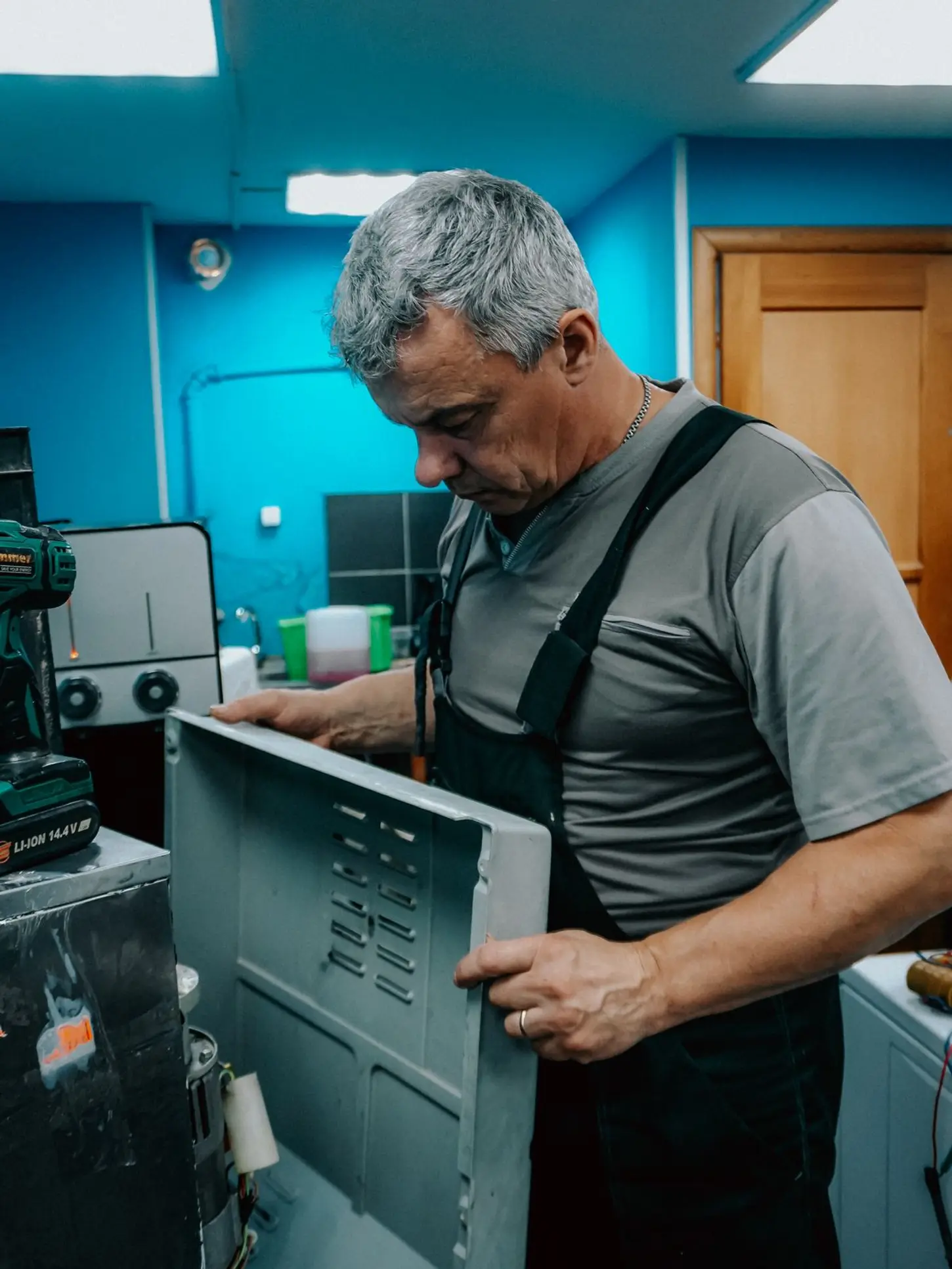
A grinding or thumping noise during the spin cycle points to a worn drum bearing, and in Sellwood's older homes — many with the washer sitting in a detached garage — we also check whether temperature swings or an uneven concrete floor have contributed to the wear pattern.
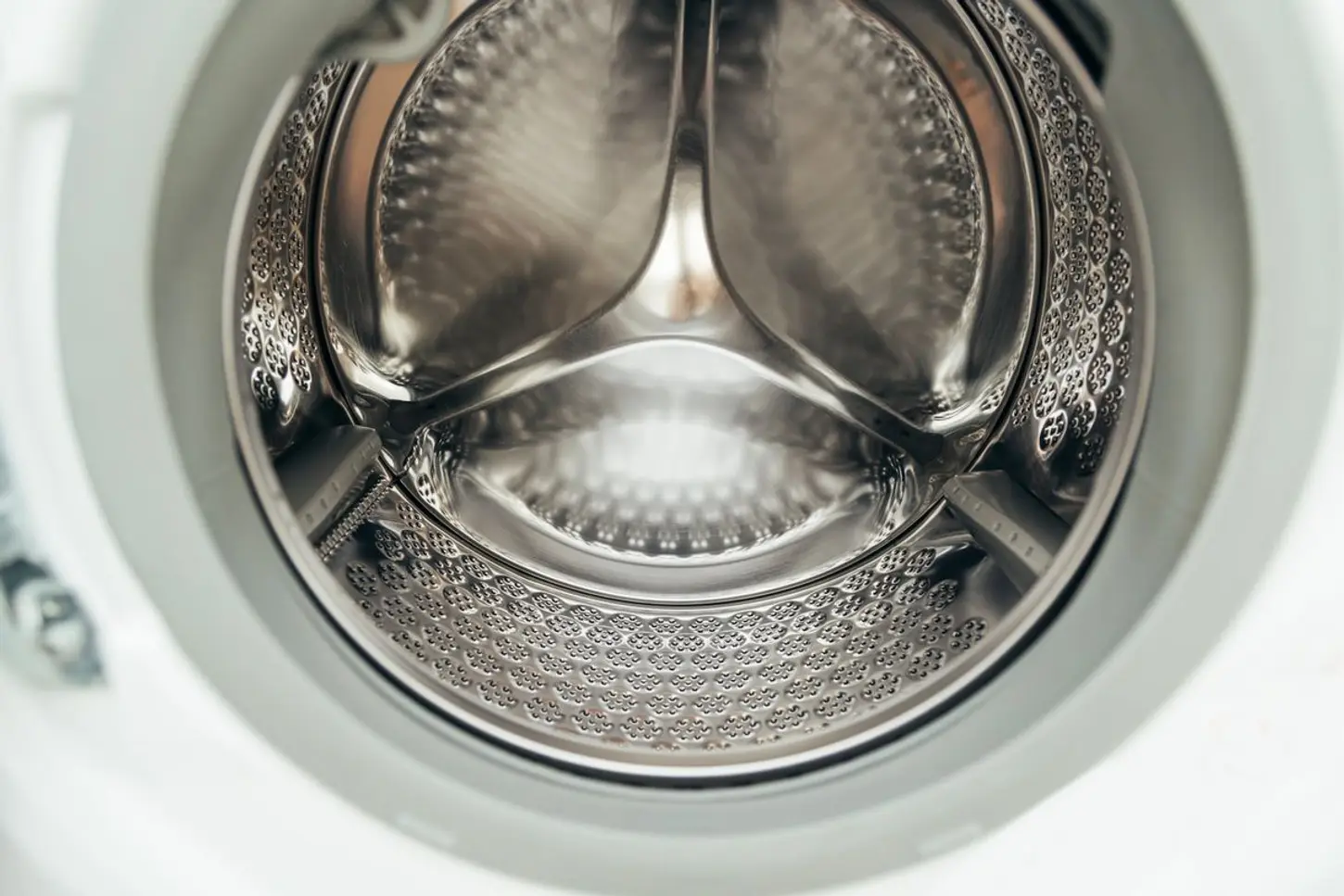
A worn drum bearing produces a distinctive grinding or rumbling sound that intensifies as spin speed climbs. In Sellwood's older homes, many washers live in a detached garage on a concrete slab rather than a leveled indoor laundry room floor, and a slightly uneven slab can put uneven stress on the bearing and suspension over years of use. We check the machine's level and footing as part of the diagnostic, alongside spinning the drum by hand and checking for a bearing-seal leak.
Sellwood's long-term homeowner base also means we're more likely to hear a detailed history of the machine — when it was bought, whether it's had prior repairs — which helps us diagnose faster than in a rental unit with an unknown service history.
Spinning the drum by hand to check for grinding or looseness.
Checking for a bearing seal leak on the garage floor.
Checking machine level on a concrete slab, common in detached garages.
Ruling out a bad shock or spring before confirming the bearing.
An uneven concrete slab in a detached garage can put a washer slightly out of level, which forces the drum bearing and suspension to work harder to keep the drum centered during spin. It's a small factor most homeowners never think about, but it's part of why we check the machine's footing whenever a bearing issue shows up in a garage installation.

Call Portland Washer Repair to schedule a same-day or next-day drum bearing diagnostic visit.
(888) 555-0123